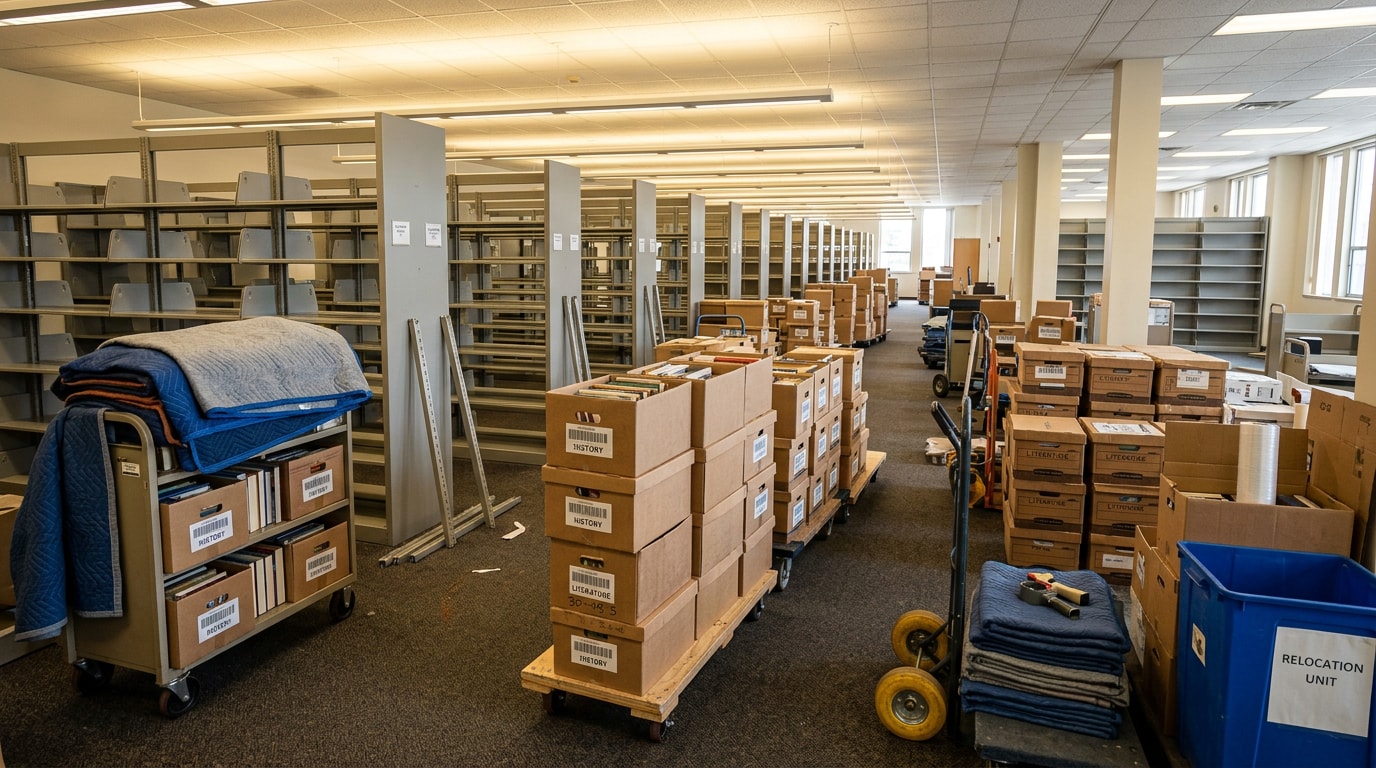
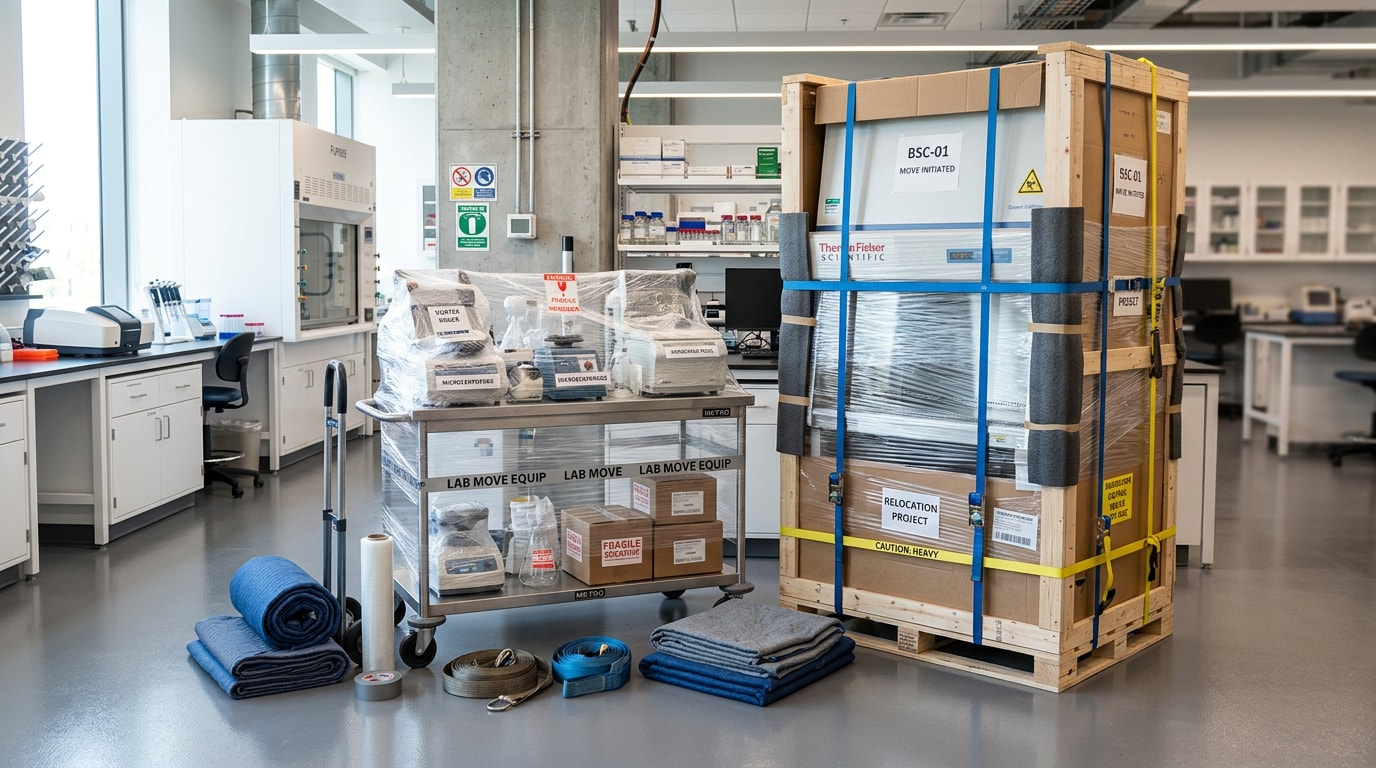
Lab equipment moving companies in Lewisville, TX need to handle more than boxes and furniture. Calibrated instruments, fragile glassware, and climate-sensitive samples all demand specific handling, and one wrong lift can mean a damaged spectrometer or weeks of lost research time. This guide walks through what a real lab move covers, where compliance rules kick in, and what to check before you book.
What Lab Equipment Moving Companies in Lewisville, TX Actually Handle
A lab move isn't one job, it's three connected ones: equipment handling, specialized logistics, and post-move setup. Here's how each stage breaks down.
| Stage | What Happens | Why It Matters |
|---|---|---|
| Equipment handling | Packing and securing instruments, glassware, freezers, and casework | Wrong packing method damages sensitive gear |
| Specialized relocation | Custom crating, climate-controlled transport, disassembly | Protects items in transit, same as recalibration needs |
| Post-move setup | Unpacking, placement, reassembly, recommissioning | Gets the lab back online without guesswork |
Equipment types a qualified crew should know how to handle:
- Analytical instruments (spectrometers, chromatography systems)
- Microscopes and imaging equipment
- Freezers, incubators, and -80°C units
- Centrifuges and diagnostic devices
- Built-in lab furniture and casework
Each category needs different care. A deep freezer isn't packed the same way as a centrifuge, and a microscope isn't crated the same way as an incubator. Medical and diagnostic equipment follows the same logic: crews need to understand how the equipment functions, not just how to lift it. See our commercial moving services for the full scope of what's covered, including the computer and electronics moving that often runs alongside a lab relocation.
Why Lewisville Labs Need Specialized Movers, Not a General Crew
A general moving company can struggle with a lab. Without training, a crew may not know how to secure a centrifuge, handle regulated chemicals, or recognize that a sturdy-looking instrument is actually shock-sensitive.
North Texas is part of the reason this matters more every year. Between 2019 and 2023, the region's life sciences workforce grew by 17%, surpassing the national average of 13.7%, according to CBRE. More labs means more relocations, expansions, and build-outs across the DFW metro, and more opportunities for a rushed move to go wrong.
In coordinating lab and business relocations around Lewisville, the most common mistake we see isn't damage in transit, it's skipping recertification after the truck is unloaded. A biosafety cabinet that looks fine on delivery day can still fail containment testing a week later if airflow wasn't verified. That gap costs labs more downtime than the move itself.
Professional movers plan around that reality: trained crews, correct packing protocols, and staging equipment so testing can resume the same week. For the broader relocation, our business and corporate-related moving service covers the office side of a facility move that usually happens at the same time as the lab side.
How the Lab Moving Process Works, Step by Step
A lab relocation unfolds in stages, starting before the truck arrives and continuing after the last instrument is reinstalled.
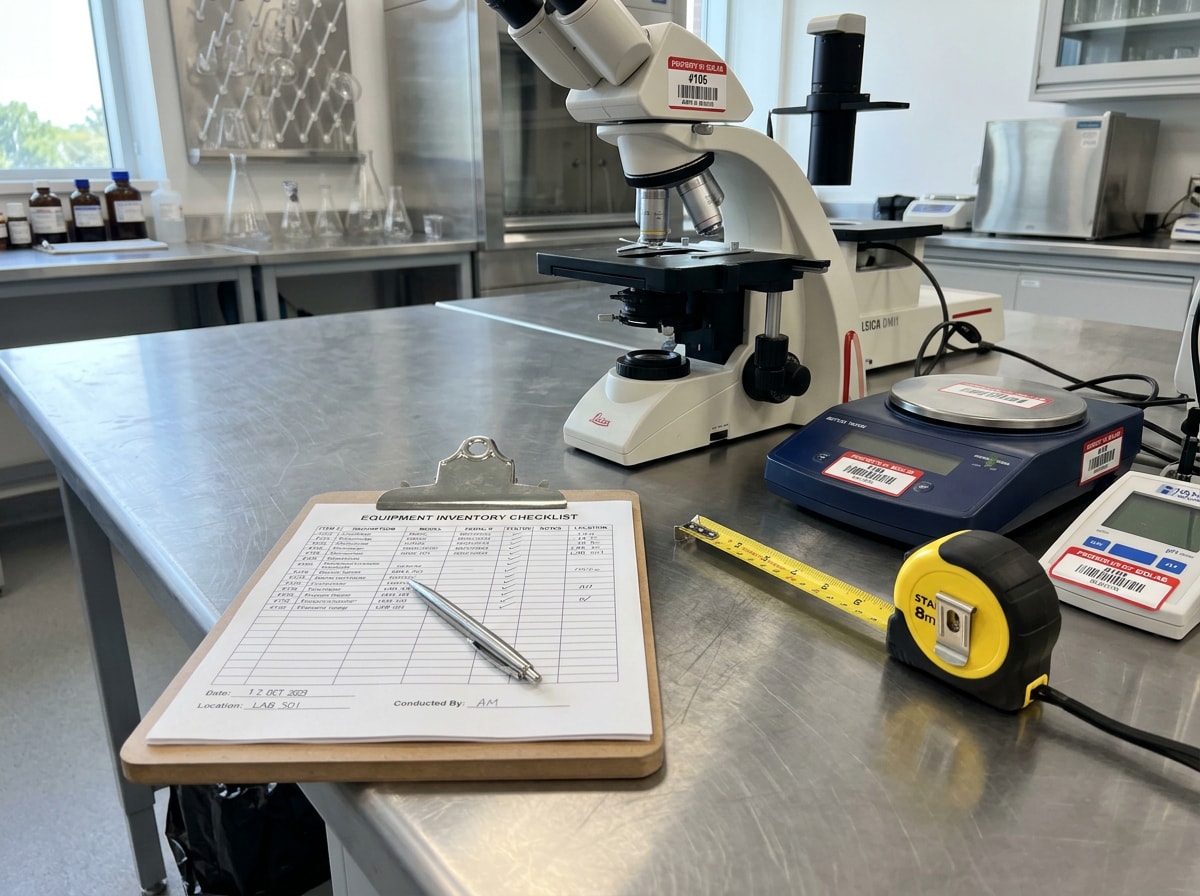
- Site survey and inventory. The crew documents what's moving and flags special handling needs.
- Labeling by room. Items are tagged to match the new floor plan, so unpacking isn't guesswork.
- Equipment decommissioning. Fluids are drained, moving parts secured, and data backed up before anything is packed.
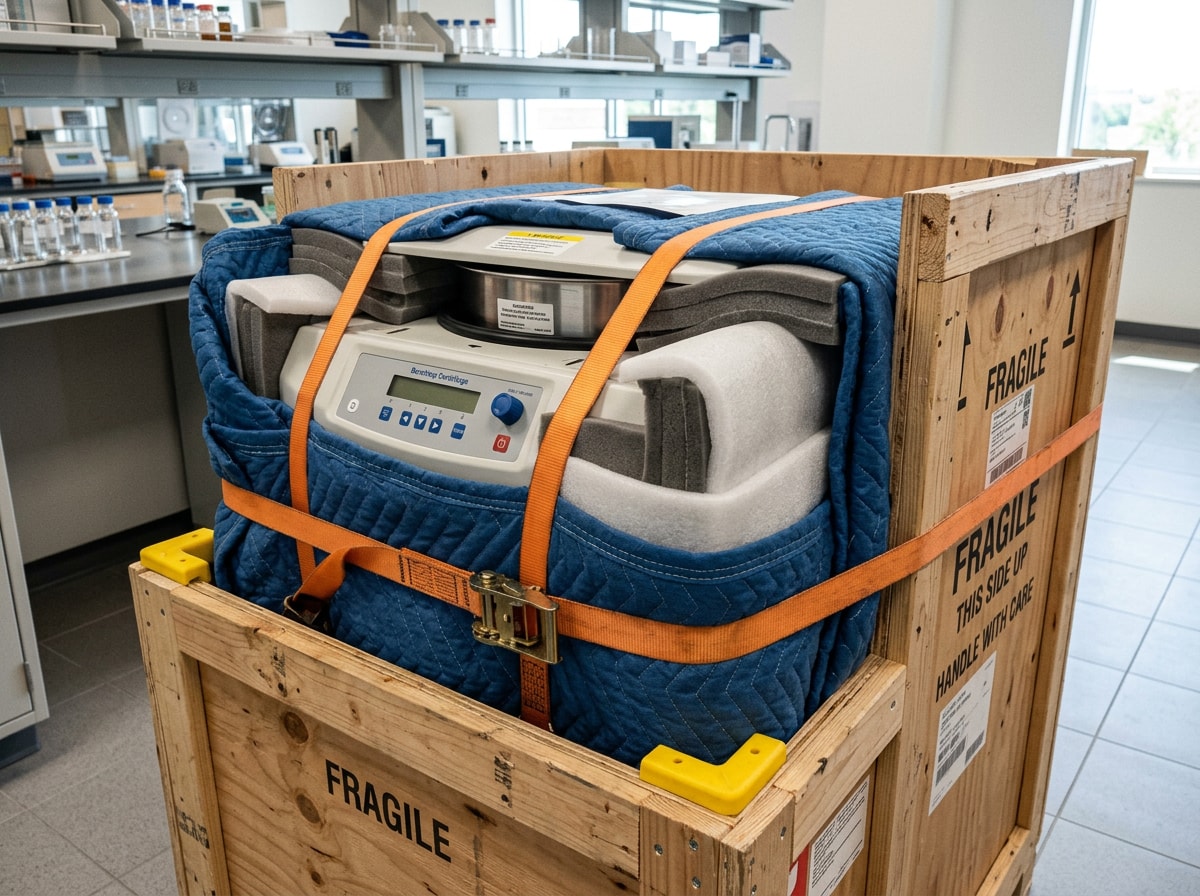
- Custom crating and climate-controlled transport. Fragile and temperature-sensitive items get protection matched to their sensitivity.
- Reinstallation and recalibration. Instruments are placed, reconnected, and tested before the lab reopens.
Each step protects either sample integrity, instrument accuracy, or regulatory compliance. If your move includes significant packing volume, our packing and unpacking service handles that stage separately from the crating work.
Compliance Steps That Get Skipped: Recalibration, Biosafety Cabinets, and Hazmat Rules
Recalibration isn't optional for most lab equipment, and biosafety cabinets are the clearest example. Any time a BSC is moved, it must be certified according to applicable performance standards. That holds even for a short move within the same building, since NSF/ANSI 49 requires each cabinet to be field tested at installation and at least annually, with additional recertification mandatory whenever a HEPA filter is changed, internal repairs are made, or the cabinet is relocated.
Skipping recertification doesn't just risk a failed inspection. It can leave containment compromised without any visible sign something's wrong.
Chemical handling has its own rulebook. OSHA's Occupational Exposure to Hazardous Chemicals in Laboratories standard, 29 CFR 1910.1450, referred to as the Laboratory standard, covers laboratories where regulated chemicals are used, and that coverage doesn't pause during a move. Transporting those same materials off-site brings in a second layer of federal oversight: PHMSA's Office of Hazardous Materials Safety develops regulations and standards for the classifying, handling and packaging of over 1 million daily shipments of hazardous materials within the United States.
None of this means a lab move is impossible to plan around. It means the moving company needs to know which rules apply before the truck gets loaded, not after.
Areas We Serve
We provide lab equipment moving throughout Lewisville, TX and the surrounding DFW metro, including Flower Mound, Denton, Highland Village, Carrollton, Irving, and Dallas. Local experience matters here: knowing building access at a research park or dock logistics downtown saves time on move day, and it's the same operational knowledge that supports our corporate office moving work in Lewisville.
You can see examples of completed commercial and specialty relocations on our projects page, and the full list of what we offer starts at {{SITE_URL}}/.
FAQ
What kind of lab and medical equipment can you move?
Most lab equipment types, including microscopes, glassware, centrifuges, freezers, incubators, analytical instruments, and lab furniture. Larger items like autoclaves or certain medical equipment may need special rigging depending on size and sensitivity.
What measures do you take to ensure safe transportation of equipment?
Safe transport starts with packing matched to each item's shape and sensitivity: custom crating, padding, and load securement. Hazardous materials handling follows applicable safety guidance for lab chemicals, protecting both the equipment and the crew.
Do I need to recalibrate equipment after a lab move?
For most sensitive instruments, yes. Biosafety cabinets specifically need field recertification after any relocation, even a short one, because moving can shift the airflow balance that containment depends on.
Can you store lab equipment temporarily during a move?
Yes. Climate-controlled temporary storage is available when move-out and move-in dates don't align, so equipment stays at stable conditions until the new space is ready.
How do you handle disposal of old lab equipment during a move?
Outdated or damaged equipment can be prepared for safe removal as part of the relocation, separate from the equipment being transported to the new location. Flag any items that need disposal during the initial site survey so it's scheduled alongside the move.
How much does it cost to move lab equipment?
Cost depends on equipment volume, sensitivity, distance, and whether climate control is needed. Pricing can also shift when regulated materials are involved, since those shipments fall under separate transport rules that affect both cost and timeline.
Ready to plan your move? Request a free estimate and we'll scope the equipment, timeline, and compliance steps specific to your lab.